
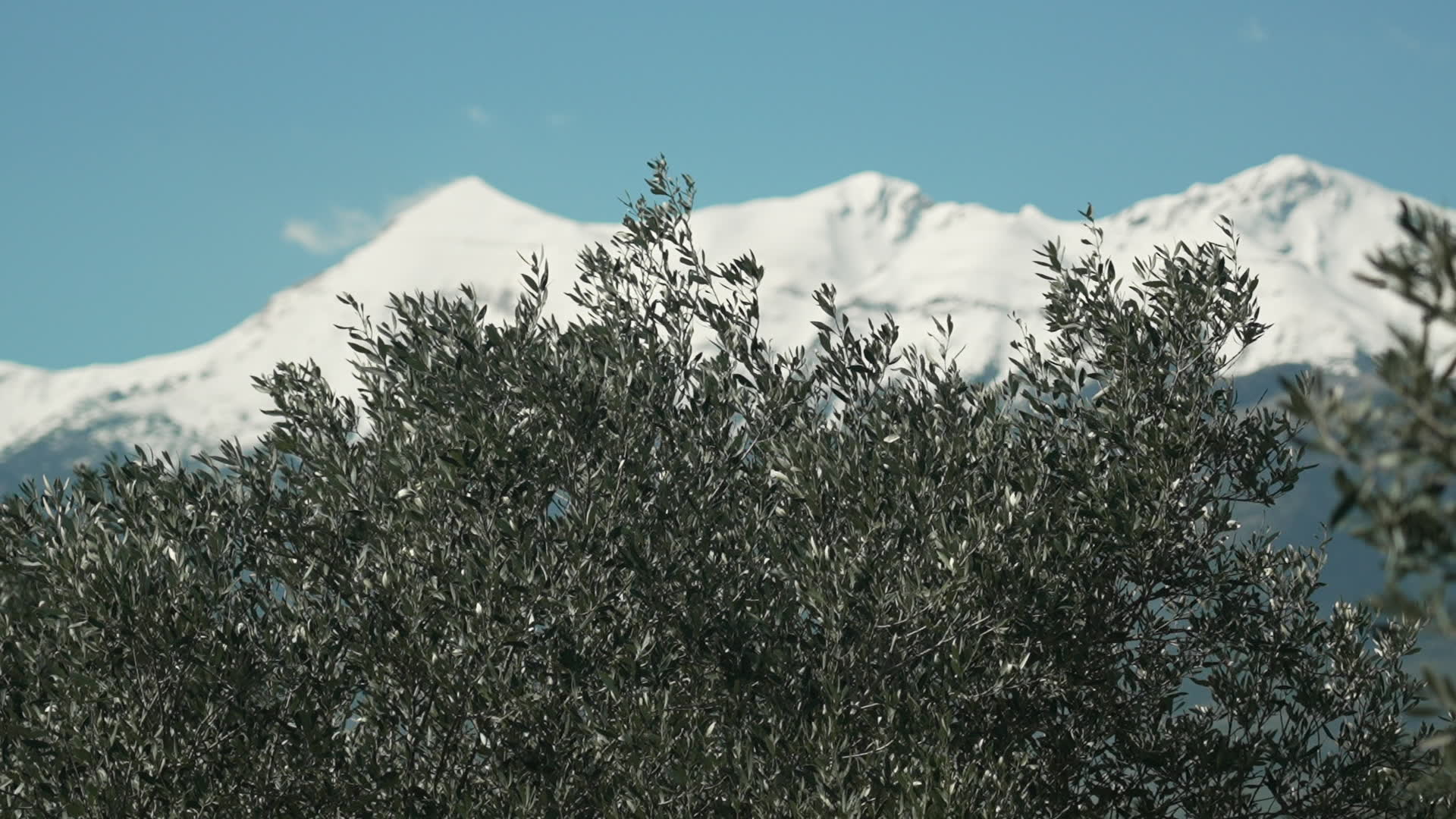
From the olive groves of Sparta to the fishing villages of Laconia, a story of harvest, heritage, and the Mediterranean way of life.
A Different Rhythm, Beyond Athens
Beyond the bustle of Athens, across the narrow Isthmus of Corinth, lies a Greece that moves to a different rhythm. The Peloponnese is a vast peninsula of rugged mountains, fertile valleys, ancient civilizations, and extraordinary coastlines. Home to historic places such as Ancient Olympia and Sparta, it is a landscape where olive groves stretch across the countryside, stone villages cling to hillsides, and the Mediterranean is never far from the story.
Roughly two and a half hours by car from Athens, Sparta opens onto the agricultural heartland of Laconia. Yet the real distance is measured less in miles than in atmosphere. Here, farming and fishing remain part of daily life, family traditions run deep, and the changing seasons still dictate what appears on the table.
To discover the Peloponnese is to appreciate the pleasures of the Greek horió - the village where some of the country’s most memorable meals are found far from celebrated restaurants and fashionable dining rooms. A family run taverna tucked into a mountain square, perhaps without a printed menu, might serve slow roasted lamb, wild greens, crusty bread, and olive oil pressed from nearby groves. Follow the road toward the coast, and that same simplicity takes another form: freshly caught fish, a squeeze of lemon, a generous pour of local olive oil, and the sea just beyond the table.
There is an authenticity to these meals that cannot be recreated elsewhere. The ingredients are local, the recipes passed down through generations, and the hospitality as memorable as the food itself.
Sparta: Where the Olive Tree Shapes the Land
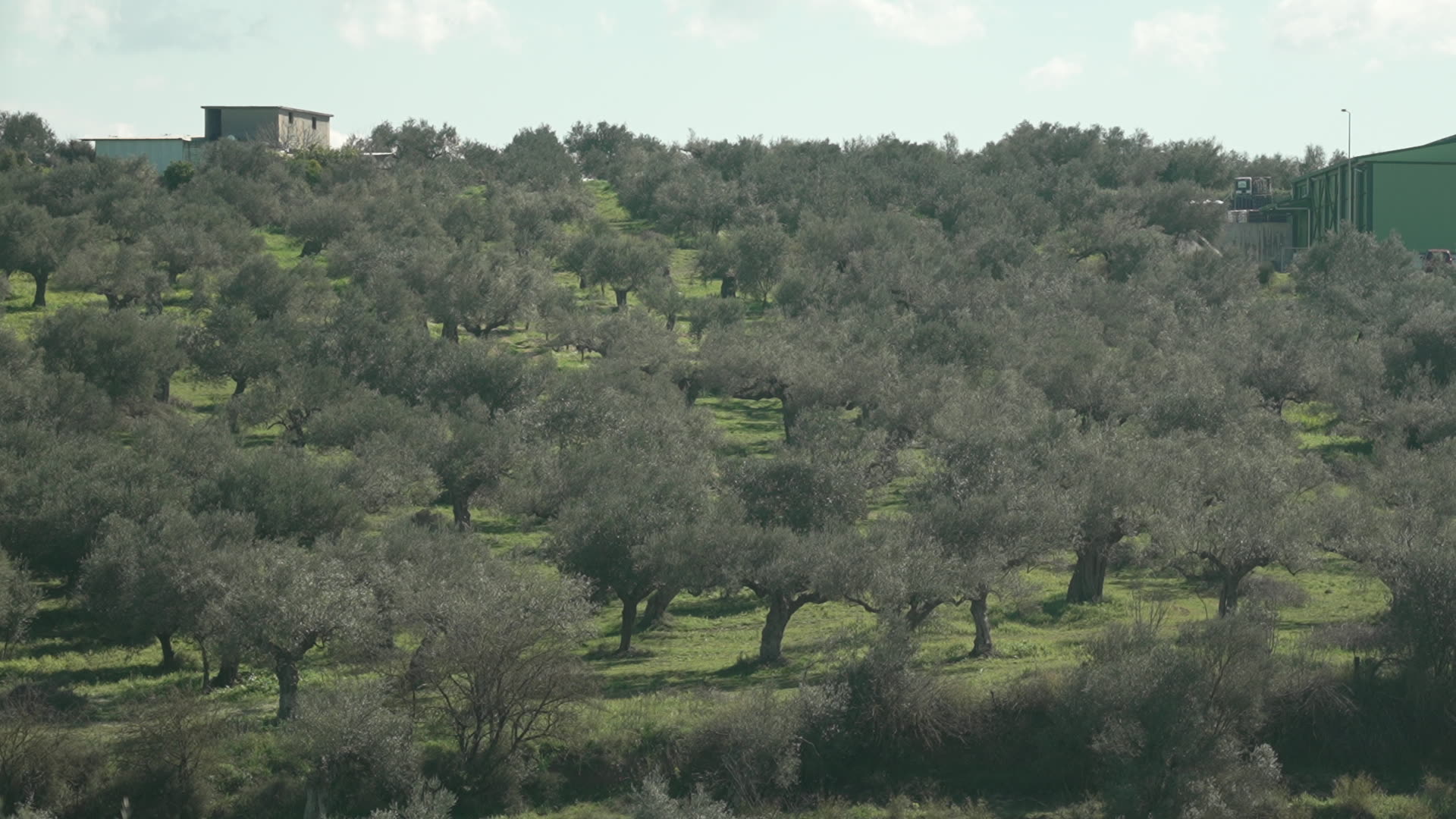
In the fertile valleys surrounding Sparta, the olive tree is far more than an agricultural crop. It is part of the region’s identity, its economy, and its inheritance.
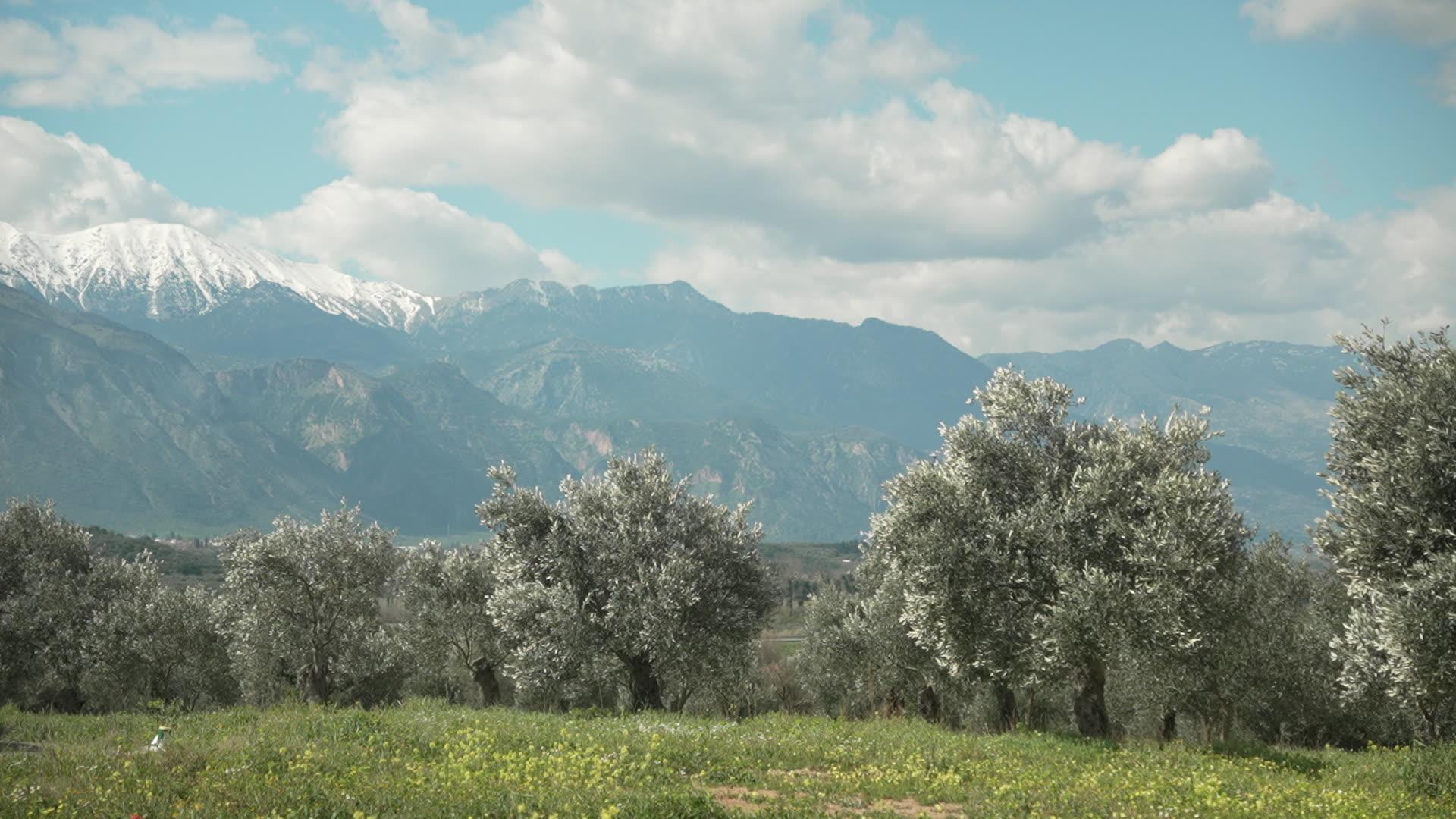
Beneath the imposing Taygetos Mountains, olive groves cover the Laconian countryside, many tended by families whose connection to the land reaches back generations. The region is celebrated for its extra virgin olive oil, produced from varieties including Koroneiki and Athinolia.
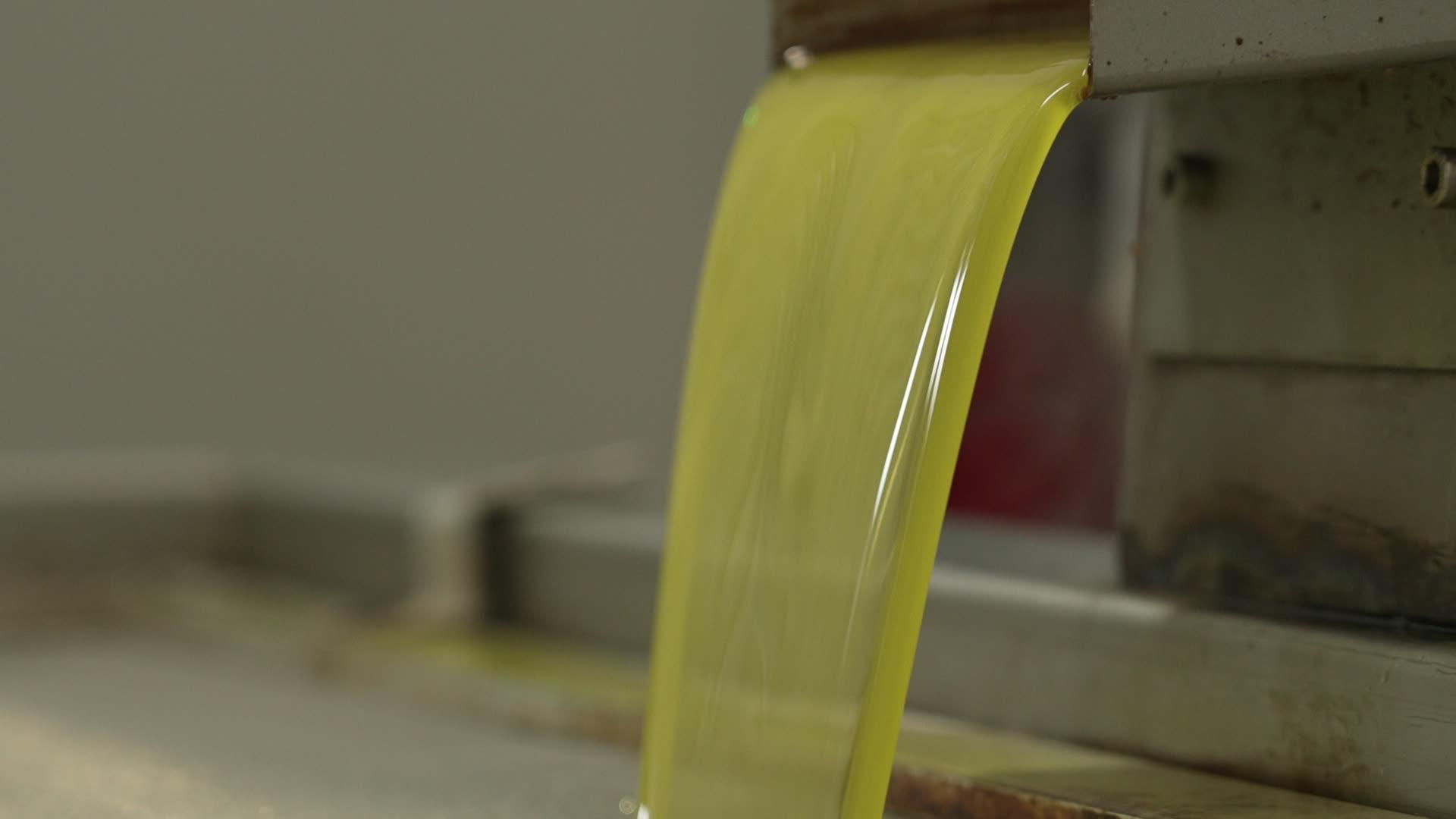
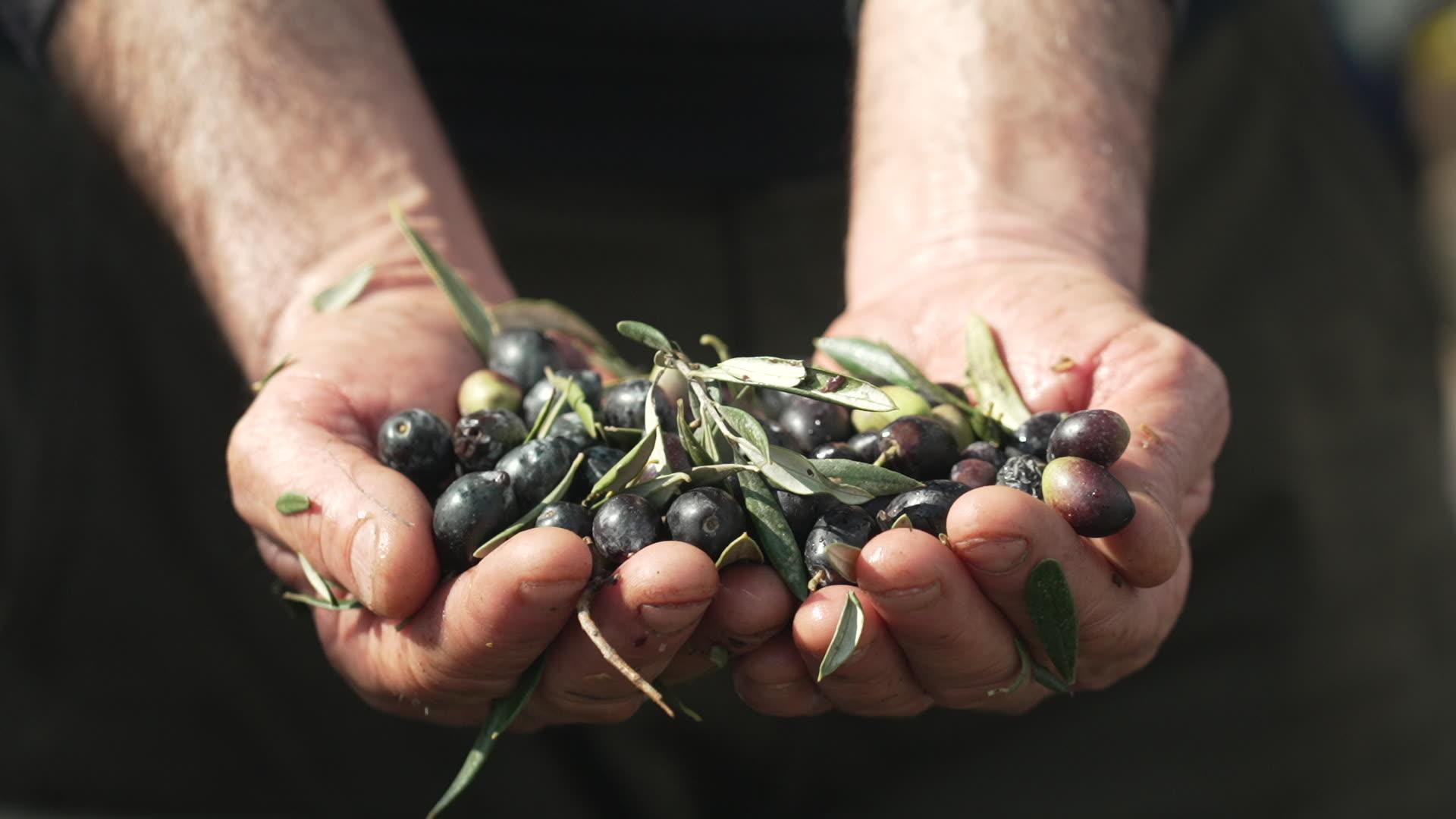
As autumn deepens, the olive harvest begins. Nets are spread beneath the trees, families gather in the groves, and the year’s fruit makes its journey to the mill. Freshly pressed olive oil can be intensely aromatic, with grassy notes, a pleasant bitterness, and a distinctive peppery finish.
There is something remarkably satisfying about tasting an oil so close to where it was produced. A piece of warm village bread, a small dish of new season olive oil, and little else is needed.
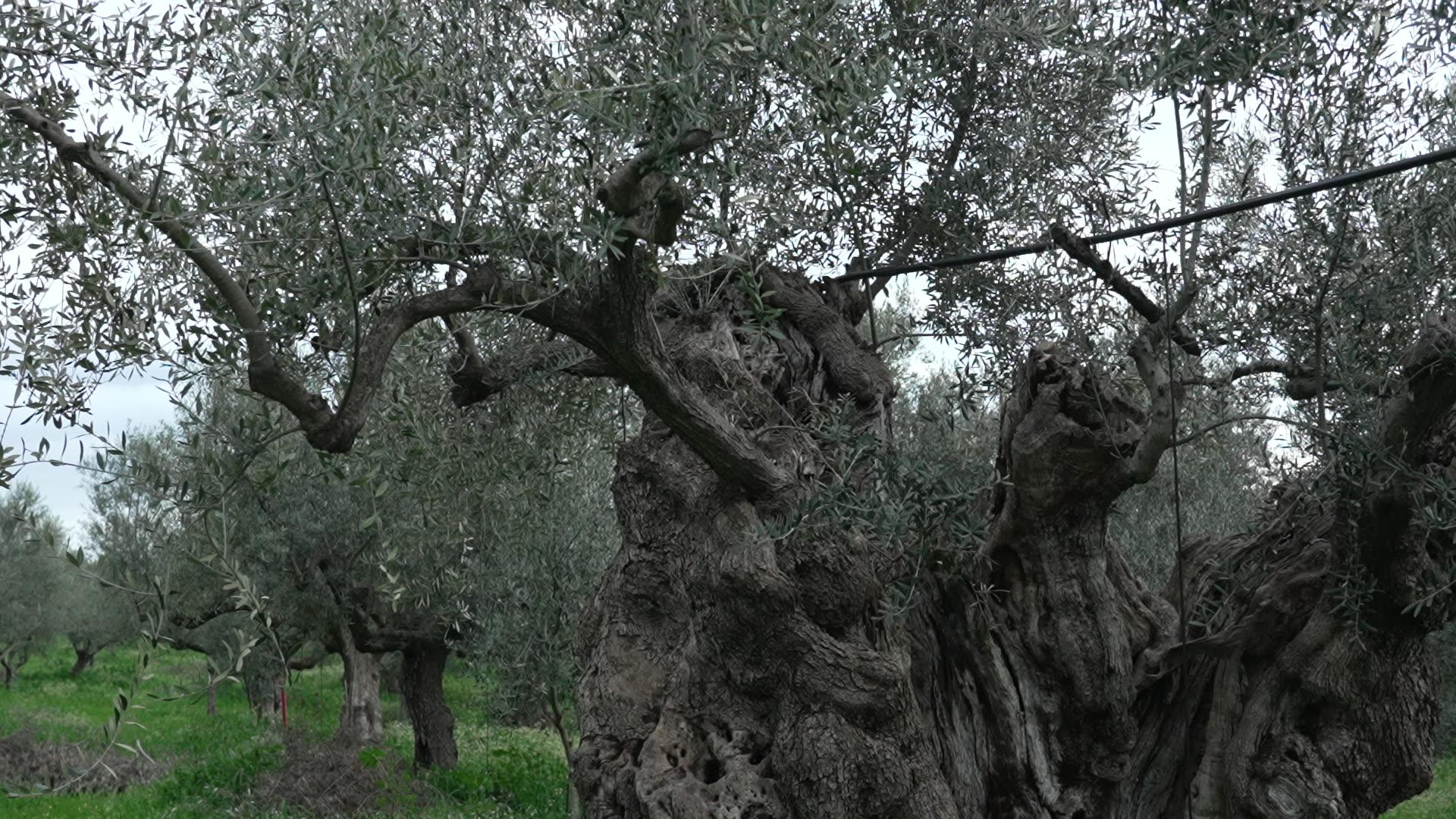
The olive has been central to life in Sparta for centuries, shaping its agriculture, cuisine, and local traditions. The Museum of the Olive and Greek Olive Oil offers a fascinating look at this heritage, while the ancient groves stretching across the valley beneath nearby Mystras are a reminder that olive cultivation remains an enduring part of Laconian life.
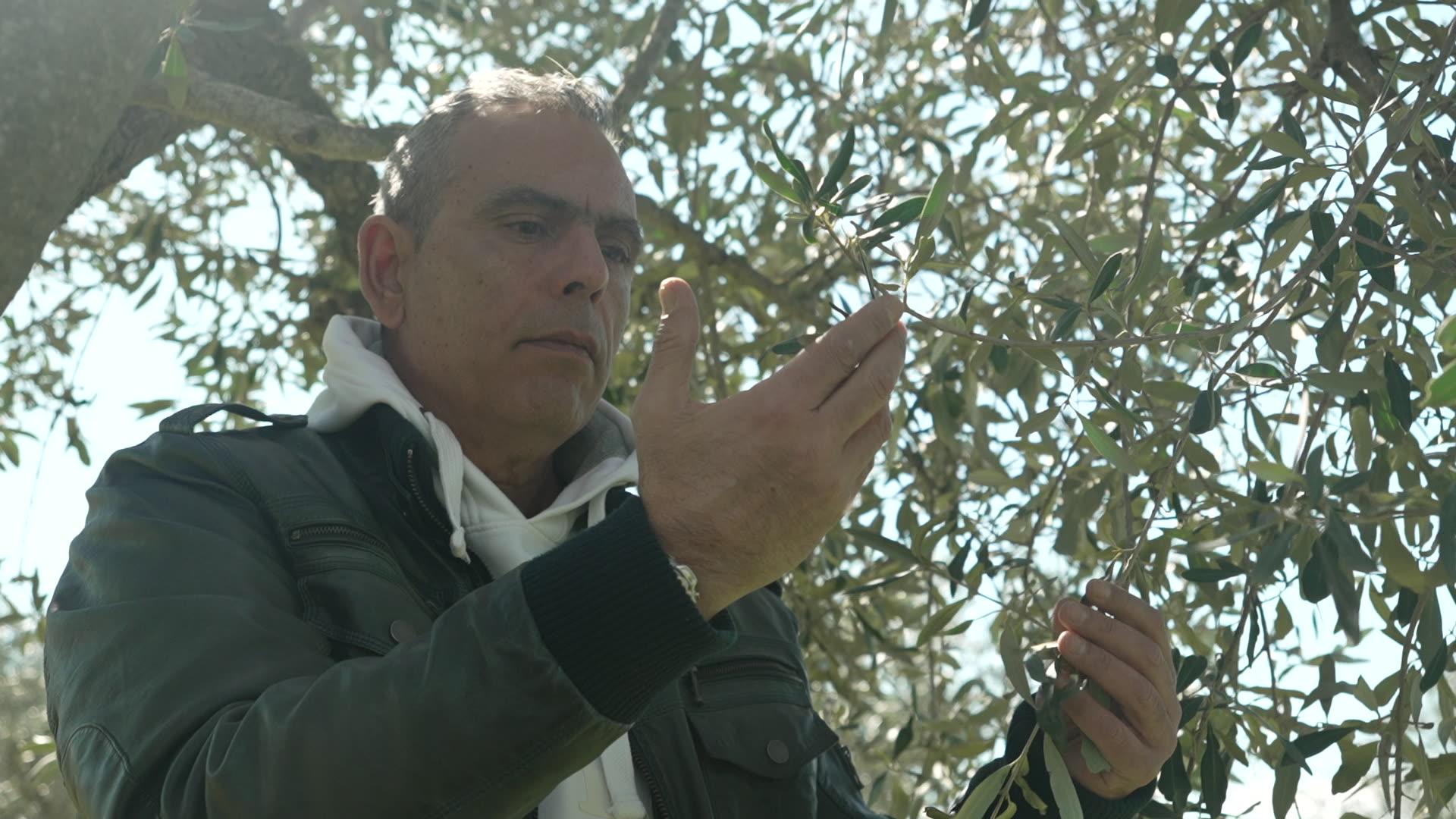
And although Sparta sits inland, the sea is an essential part of the wider Laconian landscape. To the south, the olive covered countryside gradually gives way to the waters of the Laconian Gulf, where the same trees that define the inland valleys can be found growing on hillsides overlooking the coast.
Where the Groves Give Way to the Sea
There are few landscapes more distinctly Greek than an olive grove overlooking the Mediterranean. The silver green leaves, the dry stone walls, the scent of wild herbs, and beyond them, the uninterrupted blue of the sea.
South of Sparta, Gytheio is one of Laconia’s most charming coastal towns. Fishing boats line its harbor, traditional tavernas occupy the waterfront, and nearby beaches such as Mavrovouni stretch along the gulf. Farther along the coast, sheltered coves and small fishing communities preserve a quieter side of Greek seaside life.
The mountains, olive groves, villages, and sea exist not as separate destinations, but as parts of the same landscape and way of life.
Here, the relationship between land and sea is wonderfully uncomplicated. The olive oil produced in the surrounding countryside finds its way onto nearly every table, whether drizzled over wild greens or served with freshly grilled fish brought in from the harbor.
In early autumn, the sea can still be warm enough for an afternoon swim. The beaches are quieter, the summer crowds have departed, and the coastline settles into a slower, more intimate rhythm.
This is one of the great pleasures of Laconia: the mountains, olive groves, villages, and sea exist not as separate destinations, but as parts of the same landscape and way of life.
At the Village Table: The Flavors of Laconia
Village life in Laconia is perhaps best appreciated around the table, where cooking remains grounded in local ingredients and family traditions.
Among the regional favorites worth seeking out are syglino, the traditional smoked and cured pork of Mani; sausages flavored with orange; lalangia, crisp ribbons of dough fried in olive oil; and horta, wild greens dressed simply with lemon and extra virgin olive oil.
Along the coast, fresh grilled fish, local vegetables, and a carafe of wine provide a different but equally satisfying expression of the same cuisine.
These are not elaborate dishes. Their appeal lies in the quality of the ingredients and the people preparing them. A mountain village taverna or a modest seaside table can offer a dining experience far more memorable than its surroundings might suggest.
Autumn: The Season of the Harvest
For those interested in understanding the agricultural traditions of Greece, autumn is perhaps the most revealing season.
As the summer gives way to fall, the olive harvest becomes one of the defining events of rural life in Laconia. Beginning in autumn and continuing into winter, growers collect the fruit, mills begin processing the new season’s oil, and villages become busy with agricultural activity.
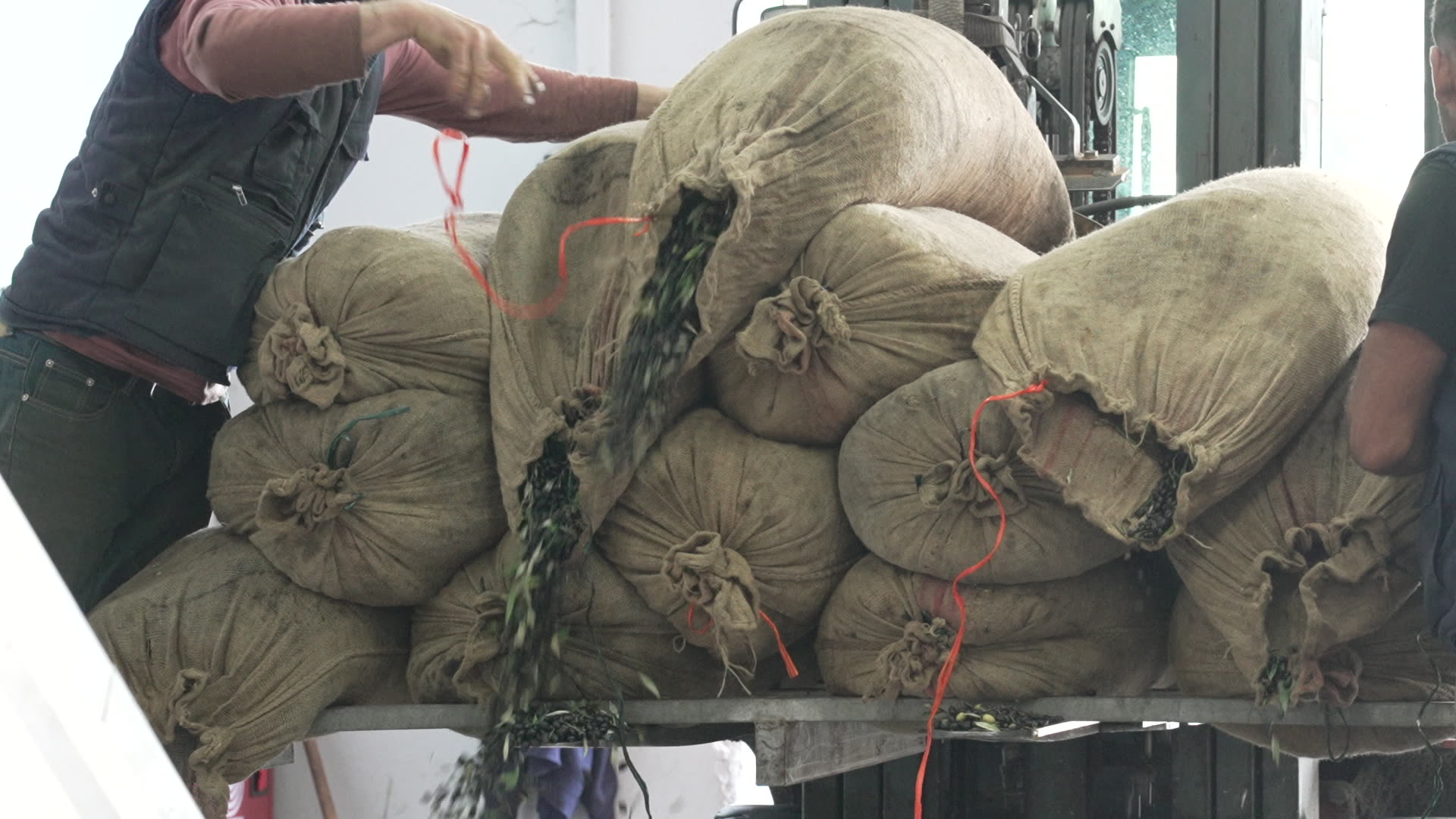
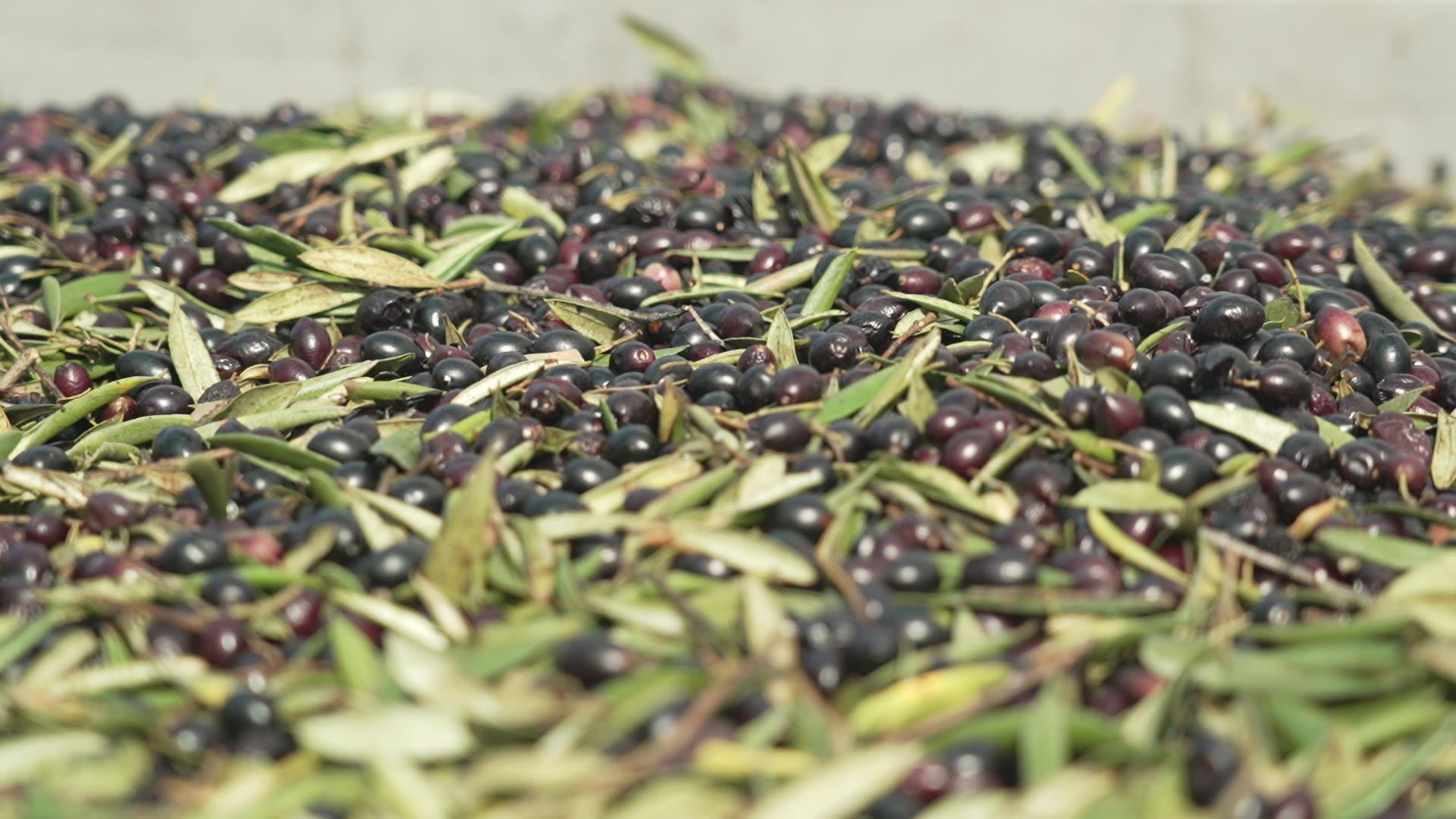
For many families, harvest time is a tradition shared across generations. It is a period of hard work, early mornings, and the anticipation of tasting the year’s first oil. Freshly milled olive oil makes its way directly to the family table, where its aroma, flavor, and character are appreciated with particular pride.
The mountain air grows cooler, the light softens, and the coastal towns take on a character entirely different from their summer selves. There is still time for an afternoon by the sea, but the countryside has reclaimed center stage.
This is the quieter appeal of agri tourism: discovering the traditions, seasonal rhythms, and generations of knowledge behind the products that define a region.
The Olive & The Sea: A Way of Life
In the Peloponnese, the olive tree and the sea have always belonged to the same story.
A piece of bread dipped in freshly pressed olive oil. A glass of local wine shared in a village square. The sound of fishing boats returning to harbor. An afternoon spent beneath olive trees with the sea on the horizon.
For generations, the people of the Peloponnese have drawn their livelihood from its fertile land and surrounding seas. Olive cultivation, fishing, and agriculture remain deeply rooted in local life, shaping everything from the food on the table to the traditions passed down through families. It is this enduring connection to the land and sea that defines the region’s character and continues to shape everyday life.
Rooted in the olive-growing lands of Sparta, Olyveon is an expression of this heritage bringing the exceptional olive oil of Laconia to the table while sharing the traditions, people, and Mediterranean way of life from which it comes.